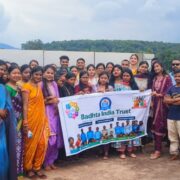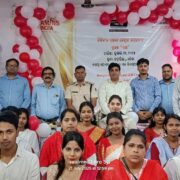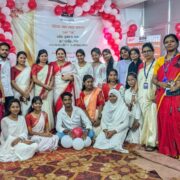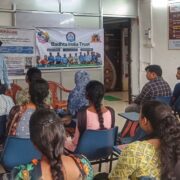
Enabling Employment and Empowering Youth in Barbil,Odisha
Daksha Youth Skilling Program: Enabling Employment and Empowering Youth in Barbil, Keonjhar, Odisha
Bridging the Gap Between Skills and Livelihoods
In the mining-dominated regions of Barbil and Joda in Keonjhar district, Odisha, employment opportunities have historically been concentrated in informal, labor-intensive sectors. While these avenues provide immediate income, they often lack stability, growth, and long-term livelihood security.
For many young people, especially those from economically disadvantaged backgrounds, limited access to skill development programs, career guidance, and formal employment opportunities creates a persistent gap between aspiration and opportunity.
Addressing this critical need, Badhta India, in collaboration with George Telegraph, implemented the Daksha Youth Skilling Program, a demand-driven initiative focused on enhancing youth employability, vocational skills, and access to sustainable livelihoods.
A Last-Mile Skilling Intervention with Inclusive Reach
Over one year, the programme successfully trained 210 youth from underserved communities, adopting a structured approach to community mobilization, enrolment, and training delivery.
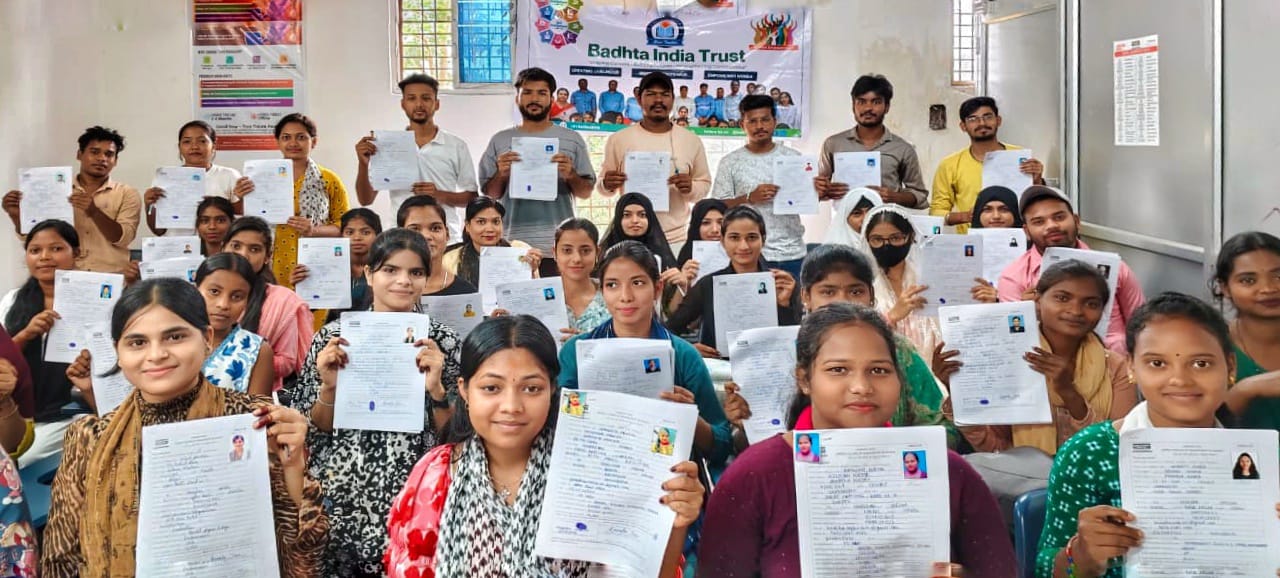
A key highlight of the initiative was its strong focus on inclusion. Women constituted 81% of the total participants, reflecting a significant shift in community attitudes towards women’s workforce participation and economic empowerment. Through targeted counselling and engagement with families, the programme addressed socio-cultural barriers that often limit women’s access to training and employment.
This last-mile approach ensured that the programme reached those who are often excluded from formal skilling ecosystems.
Building Market-Relevant Skills for Real-World Jobs
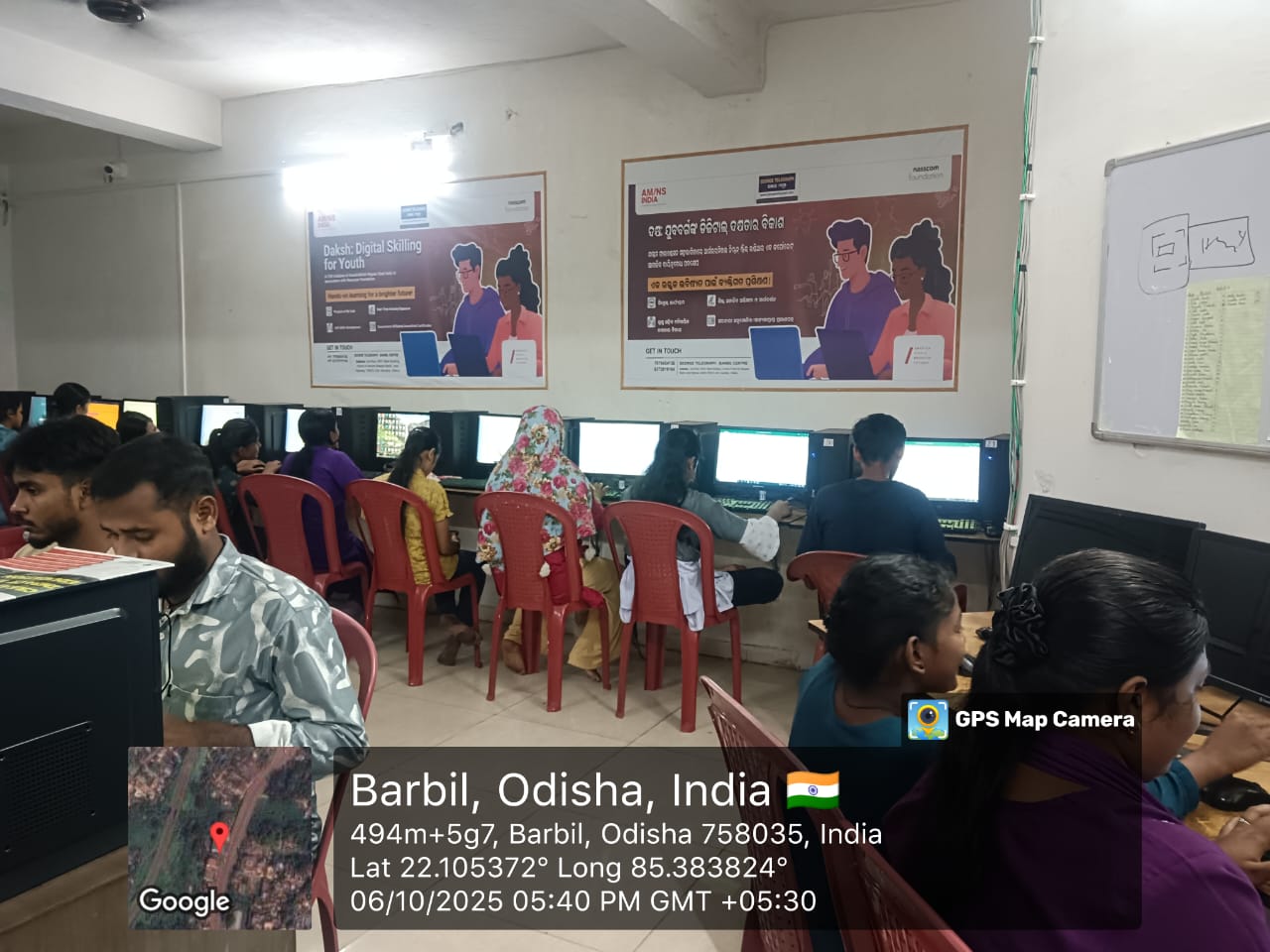
The Daksha Youth Skilling Program emphasized market-aligned vocational training, offering courses such as Domestic Data Entry Operator (DDEO) and Domestic IT Helpdesk Attendant (DIHA).
The training model went beyond technical instruction, integrating:
- Communication and interpersonal skills
- Workplace readiness and professional behavior
- Digital literacy and functional competencies
Interactive learning methods, including group activities, presentations, and industry expert sessions, played a crucial role in enhancing engagement and retention. This experiential approach enabled participants to build not only skills but also confidence, self-expression, and adaptability, which are critical for workplace success.
From Training to Employment: Strengthening the Skilling-to-Placement Pipeline
A distinguishing feature of the programme was its strong focus on placement-linked skilling. Through structured job placement drives and partnerships with multiple employers, the programme facilitated employment opportunities across sectors such as IT, BPO, finance, logistics, and field operations.
As a result, approximately 70% of trained youth secured placement, marking a significant transition from unemployment to formal or semi-formal employment pathways.
To support sustained employment, the programme also provided:
- Interview preparation and onboarding support
- Post-placement follow-ups for up to three months
This end-to-end approach helped participants navigate early workplace challenges and improve retention in their roles.
Beyond Employment: Driving Behavioral and Aspirational Change
While employment outcomes are critical, the programme’s impact extended beyond job placement.
Participants demonstrated:
- Increased confidence and communication skills
- Improved readiness for interviews and workplace environments
- Greater aspiration to pursue long-term career pathways
Importantly, the programme contributed to behavioral shifts at both individual and community levels. Families showed increased willingness to support youth, especially young women, in pursuing training and employment opportunities.
Stories like that of Lipsa Behera, now employed with People’s Forum, reflect not just individual success but a broader shift towards agency, independence, and economic participation.
A Scalable Model for Youth Employability in Underserved Regions
The Daksha Youth Skilling Program demonstrates that demand-driven skilling, combined with strong community engagement and industry linkages, can effectively bridge the gap between training and employment.
By integrating:
- Last-mile outreach
- Market-aligned training
- Placement facilitation
- Post-placement support
The programme offers a scalable and replicable model for improving youth employability and livelihood outcomes in underserved geographies.
Looking Ahead: Strengthening Pathways to Sustainable Livelihoods
Building on its early success, the programme aims to deepen its impact by:
- Strengthening industry partnerships and placement networks
- Enhancing post-placement tracking and alumni engagement
- Expanding access to skilling opportunities for more youth
As India continues to invest in skill development and workforce readiness, such models play a critical role in ensuring that no young person is left behind in the journey towards economic opportunity and the dignity of work.